Featured
Table of Contents
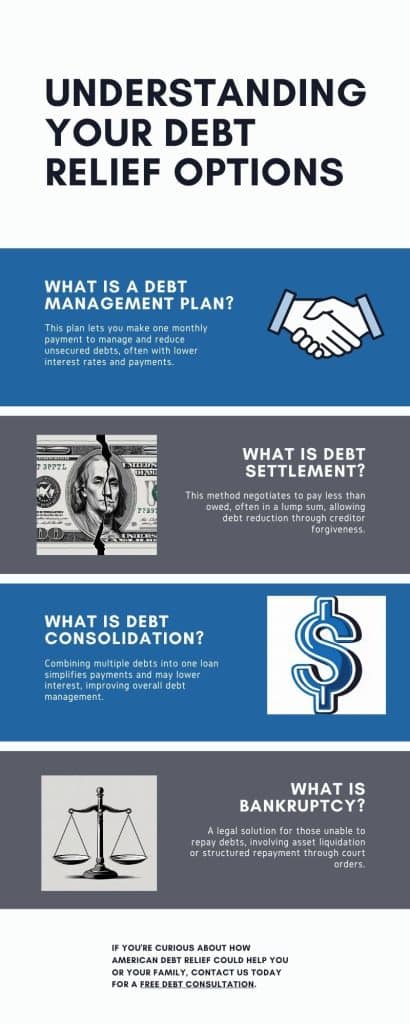
That maximizes cash in the brief term, and you might have three to four years to conserve toward the settlement amount. Extremely unsafe to credit rating, primarily because of missed settlements and an adverse "worked out" mark that can remain on your debt record for approximately seven yearsMay be just option if other choices (debt loan consolidation, balance transfer bank card, financial debt mercy) aren't possibleTypically needs a fee to the 3rd party, which might offset some or all of the savings from financial obligation settlementMay help you avoid insolvency if you've missed several paymentsNot all financial institutions deal with financial obligation negotiation firms Debt mercy may be appropriate for you if you are experiencing a financial hardship that makes it virtually impossible to pay for your financial debt equilibriums.

With a DMP, you make one regular monthly repayment to the credit scores therapy firm. Those funds are after that distributed to lenders of your unprotected financial obligations, such as charge card and installment car loans. The agency collaborates with your financial institutions to reduce passion prices or waive charges, however some creditors might decline such concessions.
It can aid you pay down financial obligation if you're able to secure a car loan price that's lower than the average price of the accounts you're settling. You need to refrain from racking up financial obligation on those recently removed accounts or your debt can grow even greater.
That provides you lots of time to get rid of or significantly reduce your balance while making interest-free repayments.
All about Typical False Beliefs Regarding Budgeting After Bankruptcy: How Counselors Help You Build a Fresh Start Plan
You might require it if your creditor or a collection firm ever before tries to accumulate on the financial debt in the future. When a loan provider forgives $600 or even more, they are required to send you Form 1099-C.
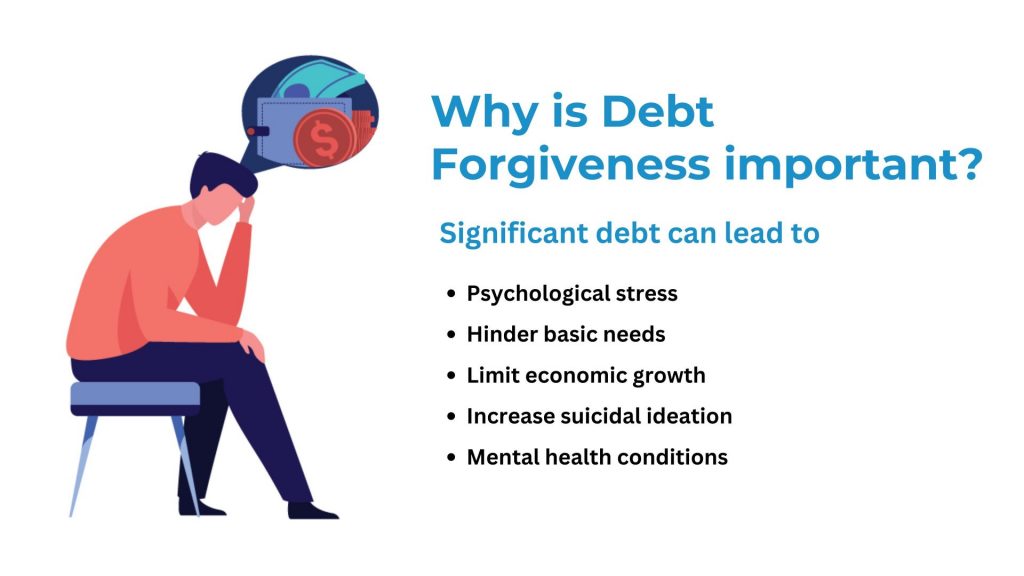
Financial obligation forgiveness or settlement generally hurts your credit report. Anytime you work out a financial debt for less than you owe, it might look like "worked out" on your credit record and impact your credit history for 7 years from the day of negotiation. Your credit report can likewise go down considerably in the months bring about the forgiveness if you fall back on settlements.
The Best Strategy To Use For Accessing Support Through APFSC
Tax debt concession programs Tax obligation financial obligation occurs when the amount of taxes you owe surpasses what you have paid. This scenario typically arises from underreporting revenue, not filing returns on time, or inconsistencies located during an IRS audit. The repercussions of accumulating tax financial obligation are significant and can include tax liens, which offer the internal revenue service a legal insurance claim to your home as safety and security for the debt.
Higher rates of interest on available credit history. Salaries and Financial institution Accounts IRS can levy (confiscate) wages and financial institution accounts to please the financial debt. Minimized income and interruption of important economic procedures. Building Seizure In severe situations, the IRS can seize and offer residential or commercial property to cover the financial obligation. Loss of valuable assets and prospective displacement.
Anxiety, anxiety, and various other psychological health and wellness issues. Social Stigma Dealing with lawsuit from the internal revenue service can lug social stigma. Damages to online reputation and partnerships. Employment Opportunities A poor credit rating because of exhaust debt can restrict employment possibility. Trouble searching for or maintaining a work. Government Benefits Tax obligation debt may impact qualification for federal government advantages, such as Social Security and Medicaid.
Facts About Navigating Budgeting After Bankruptcy: How Counselors Help You Build a Fresh Start Plan in 2024 Revealed
The OIC thinks about several aspects, including the taxpayer's earnings, expenditures, possession equity, and capability to pay. Successfully discussing an OIC can be complex, needing a detailed understanding of the internal revenue service's standards and a solid debate for why your offer straightens with your ability to pay. It is very important to keep in mind that not all applications are approved, and the process calls for thorough financial disclosure.
The IRS analyzes your total financial scenario, including your income, costs, property equity, and ability to pay. You have to likewise be present with all declaring and payment requirements and not be in an open insolvency case. The internal revenue service also considers your conformity background, reviewing whether you have a record of prompt filing and paying tax obligations in previous years.
Get This Report on ROI Compared to Self-Guided Options
The application process for a Deal in Concession includes several thorough actions. You should complete and submit IRS Form 656, the Offer in Concession application, and Kind 433-A (OIC), a collection information statement for individuals. These types require extensive economic details, including details concerning your revenue, financial obligations, costs, and assets.
Back tax obligations, which are unpaid tax obligations from previous years, can significantly boost your complete IRS financial obligation otherwise resolved immediately. This debt can build up passion and late payment fines, making the initial amount owed much bigger with time. Failing to pay back tax obligations can lead to the internal revenue service taking enforcement activities, such as issuing a tax obligation lien or levy against your residential property.
It is essential to attend to back taxes as quickly as possible, either by paying the full amount owed or by preparing a layaway plan with the IRS. By taking aggressive actions, you can stay clear of the buildup of added rate of interest and fines, and protect against more aggressive collection actions by the internal revenue service.
One typical factor is the belief that the taxpayer can pay the sum total either as a swelling sum or with a layaway plan. The internal revenue service likewise considers the taxpayer's earnings, expenditures, property equity, and future earning capacity. If these aspects suggest that the taxpayer can afford to pay even more than the provided quantity, the internal revenue service is likely to decline the offer.
Resources Available From Certified Counselors Things To Know Before You Buy
Dealing with Internal revenue service financial debt can be complicated and difficult. Tax experts, such as Certified public accountants, tax obligation attorneys, or signed up representatives, can supply vital help.

Table of Contents
Latest Posts

How State Resources for Financial counseling for veterans in Georgia facing rising credit card and personal loan debt can Save You Time, Stress, and Money.
)
Some Known Details About How Denying to Seek Fee Waivers and Discounts for Bankruptcy Counseling: Who Qualifies? Will Cost You
Your Legal Protections Under Bankruptcy Law Can Be Fun For Anyone
More
Latest Posts
Some Known Details About How Denying to Seek Fee Waivers and Discounts for Bankruptcy Counseling: Who Qualifies? Will Cost You
Your Legal Protections Under Bankruptcy Law Can Be Fun For Anyone